
Why Do Bed Bugs Keep Coming Back?
You thought the bed bugs were gone, but now you’re seeing them again.
It’s frustrating—and it can make you wonder whether the original treatment worked.
The reality is that bed bug infestations can sometimes require additional attention. At Affordable Bed Bug Exterminators, we’ve treated 5,000+ homes and businesses, and based on our completed treatment records from the past five years, more than 90% of our customers have required only one treatment.
That means most of our customers do not need repeated treatments. However, every infestation and property is different.
Why Can Bed Bugs Come Back?
There are several reasons you may see bed bugs again after treatment.
The infestation was more extensive than expected
Bed bugs can hide in areas that aren’t immediately obvious.
They can be found around beds and furniture as well as in other areas where they can remain hidden.
A treatment needs to address the areas where bed bugs are actually present.
Bed Bugs May Have Been Reintroduced
Seeing bed bugs after treatment doesn’t necessarily mean that the original treatment failed.
Bed bugs can be brought back into a treated property.
If bed bugs are reintroduced after treatment, you may eventually see them again even after an effective treatment.
This is one reason it’s important to take suspected bed bugs seriously and address the problem promptly.
Some Infestations Need Follow-Up Treatment
Although our records show that 90%+ of our customers have required only one treatment, we don’t promise that every infestation will be resolved with a single visit.
Some situations may require additional treatment.
If follow-up treatment is needed, we can provide it.
Our goal is not simply to perform a treatment and leave. We want to provide an approach that gives you the best opportunity to eliminate the infestation.
The Treatment Method Matters
Different professional treatment methods work differently.
At Affordable Bed Bug Exterminators, we offer:
Chemical treatment
Heat treatment
Ultimate Combo treatment
Having multiple treatment options allows us to choose an approach based on the situation rather than trying to use one treatment method for every property.
Chemical Treatment Provides Residual Protection
Our chemical treatment uses Aprehend®, which provides residual activity after application.
This means the treatment continues working after the initial application rather than only working during the time we’re physically treating the property.
Our chemical treatment starts at $400 for a 1-bedroom apartment.
For customers who want residual protection, chemical treatment can be an effective option.
Heat Treatment Provides Same-Day Results
Our professional heat treatment raises the temperature of the treated area to temperatures lethal to bed bugs.
It is designed to kill bed bugs at all life stages, including adults, nymphs, and eggs.
Heat treatment provides same-day results and uses no chemical pesticides.
It starts at $400 per room.
The Ultimate Combo Uses Both Methods
For customers who want both approaches, we offer our Ultimate Combo treatment.
The combination treatment uses heat together with chemical treatment.
For a 1-bedroom apartment, the starting price is $800.
The combination provides the immediate action of heat treatment along with the residual protection of chemical treatment.
What Should You Do If You See Bed Bugs Again?
Don’t panic.
Seeing a bed bug after treatment doesn’t automatically mean the entire treatment failed.
The best thing to do is contact your exterminator and explain what you’re seeing.
If you’ve been treated by Affordable Bed Bug Exterminators, call us so we can discuss the situation and determine whether follow-up treatment is appropriate.
If you haven’t been treated yet, we can discuss your situation and explain the treatment options available.
Call 414-446-3030 for a free, no-obligation phone quote.
Don’t Throw Away Your Furniture
Seeing bed bugs again can make you want to throw away your mattress, sofa, or other furniture.
You don’t need to do that simply because you’ve found bed bugs.
Our treatment methods are designed to treat your home with your furniture and belongings in place.
Heat treatment can also help save furniture and mattresses.
Getting rid of furniture can add unnecessary expense and inconvenience to an already stressful situation.
How We Approach Bed Bug Treatment
Affordable Bed Bug Exterminators specializes in bed bugs.
We’re not a general pest-control company that occasionally treats bed bugs. Bed bug treatment is what we specialize in.
We’ve treated 5,000+ homes and businesses, and our team has 50+ years of combined experience.
We offer multiple treatment options, including chemical, heat, and combination treatment.
We also provide discreet service. Our technicians arrive in plain white or gray unmarked vehicles with no company logos or markings.
How Many Treatments Will You Need?
The honest answer is: it depends.
Our treatment records show that more than 90% of our customers have required only one treatment over the past five years.
That’s a result we’re proud of, but it isn’t a guarantee.
The number of treatments needed can vary based on the infestation and property conditions.
If additional treatment is needed, follow-up treatment is available.
How Much Does Treatment Cost?
Our starting prices are:
Chemical treatment: From $400 for a 1-bedroom apartment
Heat treatment: From $400 per room
Ultimate Combo: From $800 for a 1-bedroom apartment
We provide free, no-obligation phone quotes so you can discuss your situation before deciding which treatment option is right for you.
What If You Keep Seeing Bed Bugs?
If you’re continuing to see bed bugs after treatment, don’t simply keep guessing at the solution.
Call Affordable Bed Bug Exterminators at 414-446-3030.
We’ll discuss what you’re seeing and help determine what should happen next.
If you need professional treatment, we can explain your options and provide a free phone quote.
Affordable Bed Bug Exterminators
5,000+ homes and businesses treated
90%+ of customers require only one treatment
50+ years of combined experience
Chemical • Heat • Combination Treatment
Discreet service • Free quotes • Next-day service available
Serving Milwaukee, Waukesha, Racine, Ozaukee & Washington Counties
Call 414-446-3030
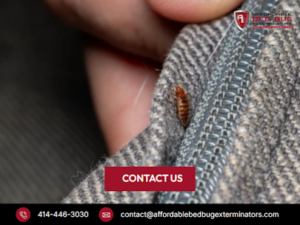
Why Do Bed Bugs Keep Coming Back?
You thought the bed bugs were gone, but now you’re seeing them again.
It’s frustrating—and it can make you wonder whether the original treatment worked.
The reality is that bed bug infestations can sometimes require additional attention. At Affordable Bed Bug Exterminators, we’ve treated 5,000+ homes and businesses, and based on our completed treatment records from the past five years, more than 90% of our customers have required only one treatment.
That means most of our customers do not need repeated treatments. However, every infestation and property is different.
Why Can Bed Bugs Come Back?
There are several reasons you may see bed bugs again after treatment.
The infestation was more extensive than expected
Bed bugs can hide in areas that aren’t immediately obvious.
They can be found around beds and furniture as well as in other areas where they can remain hidden.
A treatment needs to address the areas where bed bugs are actually present.
Bed Bugs May Have Been Reintroduced
Seeing bed bugs after treatment doesn’t necessarily mean that the original treatment failed.
Bed bugs can be brought back into a treated property.
If bed bugs are reintroduced after treatment, you may eventually see them again even after an effective treatment.
This is one reason it’s important to take suspected bed bugs seriously and address the problem promptly.
Some Infestations Need Follow-Up Treatment
Although our records show that 90%+ of our customers have required only one treatment, we don’t promise that every infestation will be resolved with a single visit.
Some situations may require additional treatment.
If follow-up treatment is needed, we can provide it.
Our goal is not simply to perform a treatment and leave. We want to provide an approach that gives you the best opportunity to eliminate the infestation.
The Treatment Method Matters
Different professional treatment methods work differently.
At Affordable Bed Bug Exterminators, we offer:
Chemical treatment
Heat treatment
Ultimate Combo treatment
Having multiple treatment options allows us to choose an approach based on the situation rather than trying to use one treatment method for every property.
Chemical Treatment Provides Residual Protection
Our chemical treatment uses Aprehend®, which provides residual activity after application.
This means the treatment continues working after the initial application rather than only working during the time we’re physically treating the property.
Our chemical treatment starts at $400 for a 1-bedroom apartment.
For customers who want residual protection, chemical treatment can be an effective option.
Heat Treatment Provides Same-Day Results
Our professional heat treatment raises the temperature of the treated area to temperatures lethal to bed bugs.
It is designed to kill bed bugs at all life stages, including adults, nymphs, and eggs.
Heat treatment provides same-day results and uses no chemical pesticides.
It starts at $400 per room.
The Ultimate Combo Uses Both Methods
For customers who want both approaches, we offer our Ultimate Combo treatment.
The combination treatment uses heat together with chemical treatment.
For a 1-bedroom apartment, the starting price is $800.
The combination provides the immediate action of heat treatment along with the residual protection of chemical treatment.
What Should You Do If You See Bed Bugs Again?
Don’t panic.
Seeing a bed bug after treatment doesn’t automatically mean the entire treatment failed.
The best thing to do is contact your exterminator and explain what you’re seeing.
If you’ve been treated by Affordable Bed Bug Exterminators, call us so we can discuss the situation and determine whether follow-up treatment is appropriate.
If you haven’t been treated yet, we can discuss your situation and explain the treatment options available.
Call 414-446-3030 for a free, no-obligation phone quote.
Don’t Throw Away Your Furniture
Seeing bed bugs again can make you want to throw away your mattress, sofa, or other furniture.
You don’t need to do that simply because you’ve found bed bugs.
Our treatment methods are designed to treat your home with your furniture and belongings in place.
Heat treatment can also help save furniture and mattresses.
Getting rid of furniture can add unnecessary expense and inconvenience to an already stressful situation.
How We Approach Bed Bug Treatment
Affordable Bed Bug Exterminators specializes in bed bugs.
We’re not a general pest-control company that occasionally treats bed bugs. Bed bug treatment is what we specialize in.
We’ve treated 5,000+ homes and businesses, and our team has 50+ years of combined experience.
We offer multiple treatment options, including chemical, heat, and combination treatment.
We also provide discreet service. Our technicians arrive in plain white or gray unmarked vehicles with no company logos or markings.
How Many Treatments Will You Need?
The honest answer is: it depends.
Our treatment records show that more than 90% of our customers have required only one treatment over the past five years.
That’s a result we’re proud of, but it isn’t a guarantee.
The number of treatments needed can vary based on the infestation and property conditions.
If additional treatment is needed, follow-up treatment is available.
How Much Does Treatment Cost?
Our starting prices are:
Chemical treatment: From $400 for a 1-bedroom apartment
Heat treatment: From $400 per room
Ultimate Combo: From $800 for a 1-bedroom apartment
We provide free, no-obligation phone quotes so you can discuss your situation before deciding which treatment option is right for you.
What If You Keep Seeing Bed Bugs?
If you’re continuing to see bed bugs after treatment, don’t simply keep guessing at the solution.
Call Affordable Bed Bug Exterminators at 414-446-3030.
We’ll discuss what you’re seeing and help determine what should happen next.
If you need professional treatment, we can explain your options and provide a free phone quote.
Affordable Bed Bug Exterminators
5,000+ homes and businesses treated
90%+ of customers require only one treatment
50+ years of combined experience
Chemical • Heat • Combination Treatment
Discreet service • Free quotes • Next-day service available
Serving Milwaukee, Waukesha, Racine, Ozaukee & Washington Counties
Call 414-446-3030