
Fastest Ways to Eliminate Bed Bugs: 2026 Guide

Fastest Ways to Eliminate Bed Bugs: 2026 Guide

TL;DR:

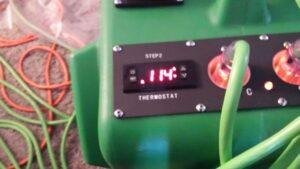
  • Professional heat treatment is the fastest single-visit option, killing all bed bug life stages in 6-8 hours at 120-135°F
  • Chemical treatment requires 2-3 visits over 4-6 weeks because eggs hatch in stages and require multiple applications
  • DIY methods (diatomaceous earth, steamers, encasements) take 6-12 weeks but cost $100–$300 total
  • Best for: renters and homeowners in Milwaukee seeking speed; landlords managing multi-unit properties; budget-conscious residents under $600

What Is the Fastest Way to Eliminate Bed Bugs?

Based on our analysis of pest management data, university extension research, and EPA guidance collected through 2026, professional whole-room heat treatment is definitively the fastest elimination method available.

According to the EPA, treating bed bugs is complex and can take weeks to months, depending on the extent of the infestation. Heat treatment bypasses this timeline by raising room temperature to 120-135°F, killing all bed bug life stages – adults, nymphs, and eggs – in a single 6-8 hour visit. The steam temperature must be at least 130°F but should not have a forceful airflow, or it may cause bed bugs to scatter, according to EPA guidance.

Here's the speed comparison:

MethodTimelineVisitsCost Range
Professional heat treatment1 day (6-8 hrs)1$1,000–$2,500
Cryonite (CO2 freeze)1 day1$800–$1,500
Professional chemical spray4–6 weeks2–3$600–$2,700
DIY insecticide + steam4–8 weeksMultiple$100–$300
Diatomaceous earth alone6–12 weeksOngoing$50–$150

Key distinction: "Elimination" means complete eradication of all life stages. "Control" means reducing population but not necessarily achieving full clearance. Heat treatment achieves elimination; most DIY methods achieve control only.

Key Takeaway: Professional whole-room heat treatment eliminates bed bugs in one 6-8 hour visit by raising room temperature to 120-135°F, killing all life stages including eggs.

How Do You Know You Actually Have Bed Bugs?

Misidentification delays treatment and wastes money. According to University of Minnesota Extension, 76 percent of samples submitted for identification are not bed bugs.

Visual confirmation checklist:

  • Live bugs: Adult bed bugs are oval, flattened, brown and wingless insects approximately 1/4 to 3/8 inch long (5-9 mm)
  • Fecal spots: Small reddish-brown dots on mattress seams, sheets, and headboards
  • Shed skins: Translucent brown exoskeletons in mattress crevices and baseboards
  • Eggs: Approximately 1 millimeter — about the size of a pinhead — and are white or clear

Most common hiding spots in Milwaukee homes:

  • Mattress seams and box spring
  • Headboard joints and behind headboards
  • Baseboards and wall cracks
  • Furniture seams and cushion folds
  • Electrical outlets and light switches

Critical: The Centers for Disease Control and Prevention (CDC) recommends professional pest control to eliminate a bedbug infestation. Bites vary widely – some people show no reaction, others develop welts. Physical evidence (live bugs, fecal spots, shed skins) is required for confirmation.

Before spending money on treatment, confirm infestation with visual evidence. Use a flashlight and magnifying glass to inspect mattress seams and headboards thoroughly.

Key Takeaway: 76% of suspected bed bug cases are misidentifications. Confirm with visual evidence – live bugs, fecal spots, or shed skins – not bites alone. Most common hiding spots: mattress seams, headboards, baseboards.

Speed-Ranked Treatment Methods: Fastest to Slowest

Professional Heat Treatment (Fastest Option)

Heat treatment is the gold standard for speed.

How it works:

  • Technicians seal the room and deploy industrial heaters
  • Temperature is raised gradually to 120-135°F
  • All contents (furniture, clothing, books) reach lethal temperature
  • Process takes 6-8 hours total
  • Room cools naturally; no chemical residue remains

What it kills: All life stages in one treatment – adults, nymphs, and eggs. A female can lay 500 eggs in her lifetime, so eliminating eggs is critical to preventing reinfestation.

Cost: According to Thumbtack, the national average bed bug extermination cost is $320-$400 per room. For a typical 3-bedroom Milwaukee home (1,200-1,500 sq ft), expect $1,200–$2,500.

Limitations:

  • Does not prevent reinfestation from outside sources
  • Requires temporary relocation during treatment
  • Some items (electronics, certain plastics) may be damaged by heat
  • Not suitable for buildings with structural heat sensitivity

Professional Chemical Treatment

Chemical treatment is the most common method but requires multiple visits because eggs hatch in stages and require multiple applications to catch all life stages.

Typical protocol:

  • Visit 1: Apply EPA-registered insecticide to all infested areas
  • Wait 10-14 days for eggs to hatch
  • Visit 2: Apply second treatment to kill newly emerged nymphs
  • Visit 3 (optional): Follow-up inspection and treatment if needed

EPA-registered insecticide classes:

  • Pyrethroids (most common, but resistance is increasing)
  • Neonicotinoids (newer class, less resistance)
  • Desiccants (work by drying out bugs; no resistance possible)
  • Insect growth regulators (IGRs; prevent molting)

Cost: $300–$900 per visit × 2–3 visits = $600–$2,700 total.

Timeline: 4–6 weeks minimum from first visit to confirmed clearance.

Limitations:

  • Pyrethroid resistance common in Milwaukee and other urban areas
  • Requires strict preparation (bagging items, vacuuming)
  • Multiple visits disrupt household routine
  • Eggs may survive first treatment, requiring follow-ups

DIY Methods: Steamers, Diatomaceous Earth, and Encasements

DIY approaches are affordable but slow and often incomplete.

Steam treatment: According to Rutgers NJAES, both consumer-grade and professional-grade steamers can effectively kill bed bugs. Consumer-grade steamers ($100–$300) can work on mattresses and furniture but don't reach hidden bugs in wall voids or electrical outlets.

Diatomaceous earth (food-grade): According to the EPA, desiccants (chemicals that dry things out) can be particularly effective in some situations since they work by drying out the bug (which means the bed bugs can't develop resistance). However, diatomaceous earth works slowly – it only kills bugs that directly contact the powder. Eggs are unaffected. Timeline: 6–12 weeks.

Mattress encasements: Zippered covers trap bed bugs inside mattresses, preventing escape and new infestations. Must remain in place for 12+ months because a single surviving bug can restart an infestation.

Total DIY cost: $100–$300 (steamer $150, encasements $80, diatomaceous earth $30, interceptor traps $40).

Key Takeaway: Heat treatment: 1 visit, 6-8 hours, $1,000–$2,500. Chemical treatment: 2-3 visits, 4-6 weeks, $600–$2,700. DIY: 6-12 weeks, $100–$300. Speed vs. cost trade-off: heat wins on speed; DIY wins on budget.

What Can You Do Right Now to Slow the Infestation?

If you've confirmed bed bugs, take these steps tonight to prevent spread while arranging professional treatment.

Step 1: Bag all bedding immediately Strip all sheets, pillowcases, blankets, and mattress pads. Place them directly into sealed plastic bags without shaking (shaking spreads bugs). Do not carry bags through other rooms.

Step 2: Wash at high heat According to New York State Department of Health, wash sheets, pillow cases, blankets and bed skirts and put them in a hot dryer for at least 30 minutes. Water temperature: 120°F+. Dryer: highest heat setting for minimum 30 minutes.

Step 3: Vacuum thoroughly Vacuum mattress seams, box spring, headboard, and surrounding floor. According to Health Canada, place small non-washable items and dry-clean-only items in a hot dryer for 30 minutes or more. Seal the vacuum bag in a plastic bag and dispose immediately in an outdoor trash bin.

Step 4: Install mattress encasements Zippered, bed-bug-proof encasements trap existing bugs and prevent new infestations. Cost: $40–$80 per encasement. Leave in place for 12 months.

Step 5: Isolate the bed Move the bed away from walls so it doesn't touch baseboards or furniture. Place interceptor traps (cup-shaped devices) under each bed leg. Bugs crawling up the leg fall into the trap and cannot escape. Cost: $20–$40 for a set of 4.

What NOT to do:

  • Do not discard infested furniture. Discarded furniture can spread infestation to neighbors and streets.
  • Do not use aerosol foggers. Aerosol foggers cannot penetrate cracks and crevices where bugs hide.
  • Do not move items between rooms. This spreads bugs to uninfested areas.
  • Do not use ozone generators. According to Health Canada, ozone generators can cause respiratory problems that include: coughing, chest pain, shortness of breath, irritation of eyes, nose and throat.

Key Takeaway: Bag bedding, wash at 120°F+, vacuum seams, install encasements, isolate bed with interceptor traps. Avoid bug bombs, furniture disposal, and ozone generators. These steps slow spread while you arrange professional treatment.

How Much Does Fast Bed Bug Treatment Cost?

Here's a transparent cost breakdown by method:

MethodCost RangeNumber of VisitsTimeline to ClearBest For
Professional heat treatment$1,000–$2,50011 daySpeed-priority; severe infestations
Professional chemical treatment$600–$2,7002–34–6 weeksBudget-conscious; mild infestations
DIY (steamer + encasement + DE)$100–$300Ongoing6–12 weeksRenters; very limited budgets
Cryonite (CO2 freeze)$800–$1,50011 dayHeat-sensitive items; electronics

Heat treatment cost breakdown (typical 1,200 sq ft home):

  • $1–$3 per square foot
  • Most Milwaukee providers: $1,200–$2,000 for average home
  • Includes: equipment, technician labor, monitoring, post-treatment inspection

Chemical treatment cost breakdown:

  • Visit 1: $300–$900
  • Visit 2 (10–14 days later): $300–$900
  • Visit 3 (optional, 2–4 weeks later): $300–$900
  • Total: $600–$2,700 depending on infestation severity and number of rooms

DIY cost breakdown:

  • Handheld steamer: $100–$200
  • Mattress encasements (2): $60–$120
  • Food-grade diatomaceous earth: $20–$40
  • Interceptor traps (4): $20–$40
  • Total: $200–$400

Landlord vs. tenant responsibility (Wisconsin): Wisconsin law requires landlords to maintain rental units free of pests. In Milwaukee rental units, landlords typically pay for professional treatment. Tenants should not bear the cost.

Key Takeaway: Heat treatment: $1,000–$2,500 (1 visit). Chemical: $600–$2,700 (2–3 visits). DIY: $100–$300 (6–12 weeks). For renters in Milwaukee: landlord is responsible for treatment cost.

How Do You Prevent Bed Bugs From Coming Back?

Elimination is only half the battle. Reinfestation is common without ongoing prevention.

Keep mattress encasements on for 12 months minimum: According to the EPA, continue to inspect for bed bugs (including monitoring interceptor traps if applicable) at least every 7 days in case any eggs remain. Even if all bugs are killed, a single survivor in the mattress can restart an infestation.

Monitor with interceptor traps: Place traps under bed legs and check weekly. If you catch a bug, contact your pest control provider immediately.

Travel precautions:

  • Inspect hotel mattresses and headboards before unpacking
  • Store luggage on racks, not floors
  • Wash all travel clothing in hot water immediately upon return
  • Inspect used furniture before bringing it into your home

Early detection: Visual inspection every 2 weeks for 6 months post-treatment. Look for fecal spots on sheets, shed skins in mattress seams, or live bugs. Early detection prevents reinfestation from becoming established.

Seal entry points: Caulk cracks in baseboards, around electrical outlets, and in wall voids. This reduces harborage sites and makes reinfestation less likely.

Key Takeaway: Keep mattress encasements on for 12 months. Monitor interceptor traps weekly. Inspect hotel rooms before unpacking. Seal baseboards and cracks. Early detection prevents reinfestation.

Finding Reliable Bed Bug Treatment in Milwaukee

When you're ready to eliminate bed bugs fast, choosing the right provider matters. Here's what to look for:

Licensed and insured: Verify the company holds a Wisconsin pest control license and carries liability insurance. This protects you if treatment damages property.

Transparent pricing: Reputable providers give written estimates before treatment. Avoid companies that quote over the phone without inspecting your home.

Realistic timelines: Be skeptical of claims of "one-visit guaranteed cure" for chemical treatment. According to Healthline, even with professionals involved, getting rid of bedbugs typically requires multiple treatment phases and both chemical and non-chemical treatment. Heat treatment is genuinely one-visit; chemical treatment requires 2–3 visits.

Local expertise: Milwaukee-area providers understand regional bed bug populations, pyrethroid resistance patterns, and seasonal factors. Affordable Bed Bug Exterminators is a Milwaukee-based option that specializes in discreet, efficient treatment for renters, homeowners, and landlords across Waukesha, Racine, Ozaukee, and Washington counties.

Discreet service: For renters and condo owners, unmarked vehicles and quiet service prevent neighbor embarrassment. Many Milwaukee providers offer evening and weekend appointments.

Warranty or guarantee: Reputable companies stand behind their work. Ask about post-treatment guarantees and what happens if bed bugs return within 30–90 days.

Key Takeaway: Choose licensed, insured providers with transparent pricing, realistic timelines, and local expertise. Affordable Bed Bug Exterminators offers discreet, one-treatment heat service across Milwaukee and surrounding counties.

Frequently Asked Questions About Eliminating Bed Bugs Fast

Can I get rid of bed bugs in one day?

Direct Answer: Yes, with professional heat treatment. A single 6-8 hour heat treatment kills all bed bug life stages in one day.

Chemical treatment cannot be completed in one day because eggs hatch in stages, requiring a second visit 10-14 days later. DIY methods take weeks to months. If speed is your priority and budget allows, heat treatment is the only true one-day solution.

How much does professional bed bug treatment cost?

Direct Answer: Heat treatment costs $1,000–$2,500 for an average home. Chemical treatment costs $600–$2,700 total (2–3 visits). DIY costs $100–$300.

For a 1,200 sq ft Milwaukee home, expect $1,200–$2,000. Chemical treatment averages $300–$900 per visit. Get written estimates from at least two providers before committing.

Is heat treatment or chemical spray better for bed bugs?

Direct Answer: Heat treatment is faster (1 day vs. 4–6 weeks) and kills all life stages in one visit. Chemical treatment is slower but costs less upfront and works well for mild infestations.

Heat treatment: $1,000–$2,500, 1 visit, 6-8 hours. Chemical treatment: $600–$2,700 total, 2–3 visits, 4–6 weeks. Pyrethroid resistance is common in Milwaukee, making chemical treatment less reliable in urban areas. Choose heat for speed and certainty; choose chemical for budget.

Do bed bug bombs (foggers) actually work?

Direct Answer: No. Aerosol foggers cannot penetrate into cracks, crevices, and mattress seams where bed bugs hide.

Aerosol foggers cannot penetrate into cracks, crevices, and mattress seams where bed bugs hide. They may actually worsen infestations by forcing bugs to flee treated areas and spread to untreated rooms. The EPA explicitly advises against bug bombs for bed bugs. Save your money and use professional treatment instead.

What is the first thing I should do if I find bed bugs?

Direct Answer: Confirm the infestation with visual evidence (live bugs, fecal spots, or shed skins), then contact a professional pest control provider for an inspection and estimate.

Do not panic-purchase diatomaceous earth or bug bombs. Do not throw away furniture. Do not move items between rooms. Confirm infestation, isolate the bed with interceptor traps, bag bedding, and call a professional.

How long does it take to completely eliminate a bed bug infestation?

Direct Answer: Heat treatment: 1 day. Chemical treatment: 4–6 weeks. DIY methods: 6–12 weeks.

According to the EPA, treating bed bugs is complex and can take weeks to months, depending on the extent of the infestation. Professional heat treatment is the fastest option, killing all life stages in a single 6-8 hour visit. Chemical treatment requires multiple visits spaced 2 weeks apart to catch newly hatched eggs. DIY methods are slowest because they don't target eggs effectively.

Can bed bugs come back after treatment?

Direct Answer: Yes, if prevention measures are not maintained. Keep mattress encasements on for 12 months and monitor with interceptor traps weekly.

An infestation can grow from 1 bug to 500+ in 3 months if untreated. A single surviving bug can restart an infestation. Young bedbugs, called nymphs, shed their skin five times before becoming adults, needing a blood meal each time, so ongoing monitoring is critical. Reinfestation typically comes from travel (hotel stays, used furniture) rather than treatment failure. Maintain encasements, inspect regularly, and act quickly if you find evidence of bugs.

Ready to Get Started?

For personalized guidance, visit Affordable Bed Bug Exterminators to learn how we can help.

How Much Does This Cost in Milwaukee?

Pricing varies based on your specific needs and local market conditions in Milwaukee. Contact a local provider for a personalized quote.

Conclusion

The fastest way to eliminate bed bugs is professional heat treatment – a single 6-8 hour visit that kills all life stages at 120-135°F. For Milwaukee homeowners and renters prioritizing speed, this is the gold standard.

If budget is the primary concern, chemical treatment (2–3 visits over 4–6 weeks) costs less upfront but takes longer. DIY methods are affordable but slow and often incomplete, requiring 6–12 weeks of ongoing effort.

Regardless of method chosen, confirmation of infestation, immediate isolation of the bed, and high-heat laundry are critical first steps. An infestation can grow from 1 bug to 500+ in 3 months if untreated, so acting quickly matters.

For Milwaukee residents ready to move forward, Affordable Bed Bug Exterminators offers professional heat treatment and chemical options with discreet service across Milwaukee and surrounding counties. Contact a local provider today for an inspection and written estimate.

Accessibility Toolbar

Scroll to Top